How to spot fake Pokémon cards and resealed packs and boxes
A calm, step-by-step way to check a card or a sealed box before you pay, using your eyes, your phone's light and a known real card.
Most fake cards are easy to spot once you know where to look. Most resealed packs and boxes give themselves away at the seams. You don't need special tools. A real common card from a pack you opened yourself, a bright light and a minute of attention catch most problems.
The checks below are the well-known ones. No single check proves anything on its own. Look for two or three problems together.
A plain card outline with six zones to check. 1: name and HP, for font, accent and spacing. 2: Energy symbols, for size, position and colour. 3: attack text, for spelling and damage. 4: border, for colour and centring. 5: set symbol, number and rarity, which you look up. 6: surface, for holo pattern and texture.
Start with a card you know is real
Keep one or two ordinary cards from a pack you opened yourself. Hold the card you're checking next to one of them. Fakes are far easier to see side by side than from memory.
Check the print
- Sharpness. Real cards have crisp text and clean edges between colours. Fakes are often a little blurry, as if printed from a photo of a card.
- Colour. Fakes are often too dark, too washed out or too saturated. Compare the colours of the border and the text box with your real card.
- Up close. A jeweler's loupe or your phone's camera zoom shows the printing pattern. Real cards show a fine, even pattern of tiny dots. Many fakes look smudged or grainy under magnification, though better fakes can copy the pattern.
Check the text and the font
- Spelling. Fakes often have spelling mistakes in attack names or rules text. Read the card slowly.
- The accent. The game's name is printed with an accent on the "e". A missing accent is a common sign of a fake.
- The font. Real cards use the same fonts on every card in a set. Fakes often use a font that is slightly too bold, too thin or the wrong shape, most visibly in the HP and the attack damage.
- Numbers that don't add up. Look for an HP that's oddly high, attack damage that doesn't fit the card, or text that runs off the edge of the box.
Check the energy symbols
The small circles that show an attack's cost and a card's type are a good tell. On real cards they're cleanly printed, evenly sized and sit in a neat line. On fakes they're often the wrong size, slightly off-centre, blurry or in the wrong colour. Compare them with the same symbol on your real card.
Check the set symbol and number
Every card has a set symbol, a card number and a rarity mark near the bottom. Look the card up by its set and number in any card database. If that number doesn't exist in the set, or the database shows a different card at that number, walk away. (Cards numbered above the set's total, such as 215/191, can be real: these are secret rares.)
Check the card stock: the light test
Real cards have a middle layer that blocks much of the light, so a phone flashlight held behind one shows only a soft glow, while a fake often glows bright and even from edge to edge. It's one clue, never proof, so always compare with a real card from a similar set.
Two panels, each with a phone flashlight behind a card outline. Real: a small, soft glow and a darker card. Likely fake: the whole card glows bright and evenly.
Check the holo and the texture
- Holo pattern. On real holo cards the shine sits in a set pattern: on the picture of a regular holo, across the whole card on a reverse holo or a full art. Fakes often have a flat rainbow shine in the wrong place, sometimes over the text.
- Texture. Many modern full-art cards, such as full-art ex cards and Special Illustration Rares, have a fine texture you can feel with a fingertip. Fakes of those cards are often completely smooth.
- Surface. Fakes are often too glossy, or have a waxy or plasticky feel.
Check the borders, centring and size
- Border colour. Regular cards in an era share one border colour. Compare with a real card from the same era.
- Centring. Real cards can be off-centre too, so this alone proves nothing. But a fake often has borders that are very uneven, or an edge that looks cut by hand.
- Size and corners. Stack the card on top of a real one. Fakes are sometimes a hair larger or smaller, or have corners that are too round or too sharp.
Real, then fake. Crisp text and edges, or blurry and smudged. Accent on the "e", or accent missing. Spelling correct, or typos in attacks or rules. Energy symbols neat and even, or wrong size or off-centre. Number exists in the set, or number missing or wrong card. Blocks most light, or glows bright and even. Holo in the right place, or rainbow shine everywhere. Texture on full arts, or smooth all over. Same size as a real card, or a hair too big or small.
Sealed product: shrink wrap and seams
Resealing means opening a box or pack, taking out what's valuable and closing it up again. Look at the wrapping before you look at anything else.
- Factory shrink wrap is tight and even. It hugs the box, with neat, flat seams. Resealed wrap is often loose, baggy, wrinkled or melted in spots. You may see extra layers, tape or glue.
- Look at the seams. Factory seams are straight and consistent from one copy of a product to the next. Compare with a photo of the same product from a store, or with a copy on a shelf.
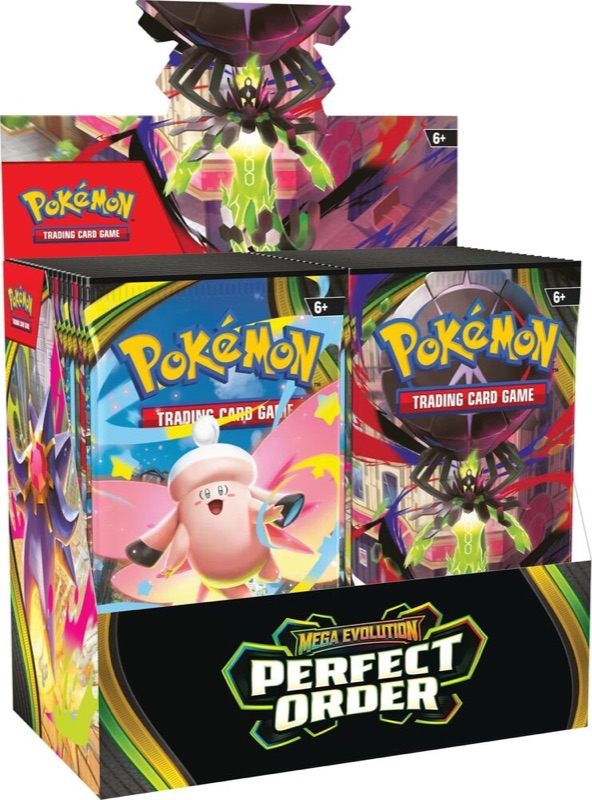
- Wrap with printing. Modern booster boxes usually come in wrap printed with Poké Ball logos. Other products vary, so check a known factory-sealed copy of the same product. Plain wrap on a product that should have printed wrap is a red flag.
- Box flaps and tabs. Check for glue marks, lifted tabs or torn corners under the wrap.
Sealed product: packs and blisters
- Crimps. Packs are sealed at both ends with a crimped, zigzag edge. A resealed pack often has a crimp that's flattened, uneven, doubled or shiny with glue.
- Wrapper. Look for wrinkles near the ends, a wrapper that's loose around the cards, or one that's slightly shorter than its neighbours.
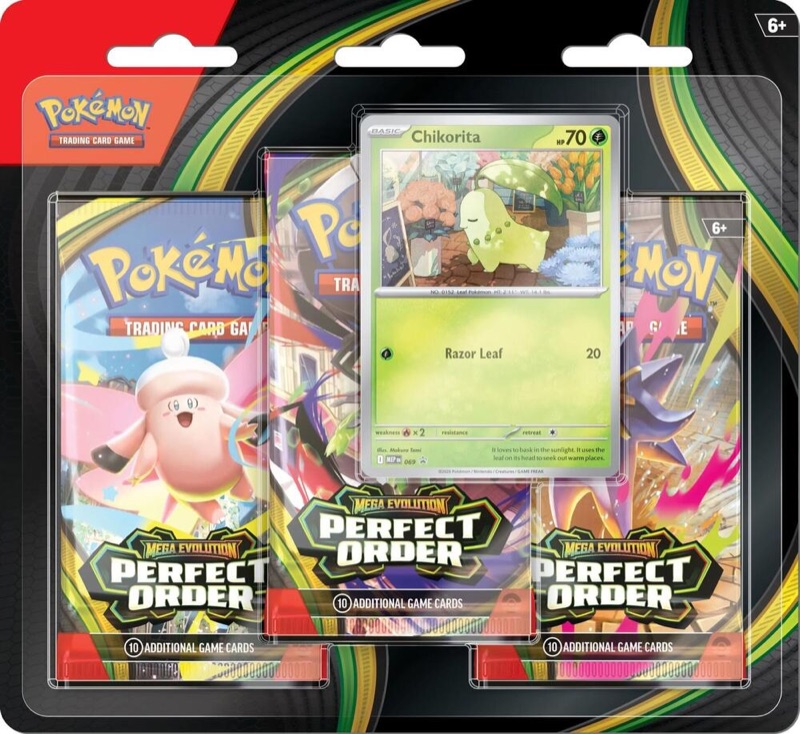
- Blisters. Check that the plastic bubble is still fully attached to the card back. A re-glued bubble often has a cloudy edge, glue strings or a bent card back.
Two rows. A box corner: factory has a tight wrap and a flat seam, resealed is loose, wrinkled or melted with an extra layer. A pack end: factory has an even zigzag crimp, resealed has a flat, uneven or glued crimp.
A note on "searched" packs
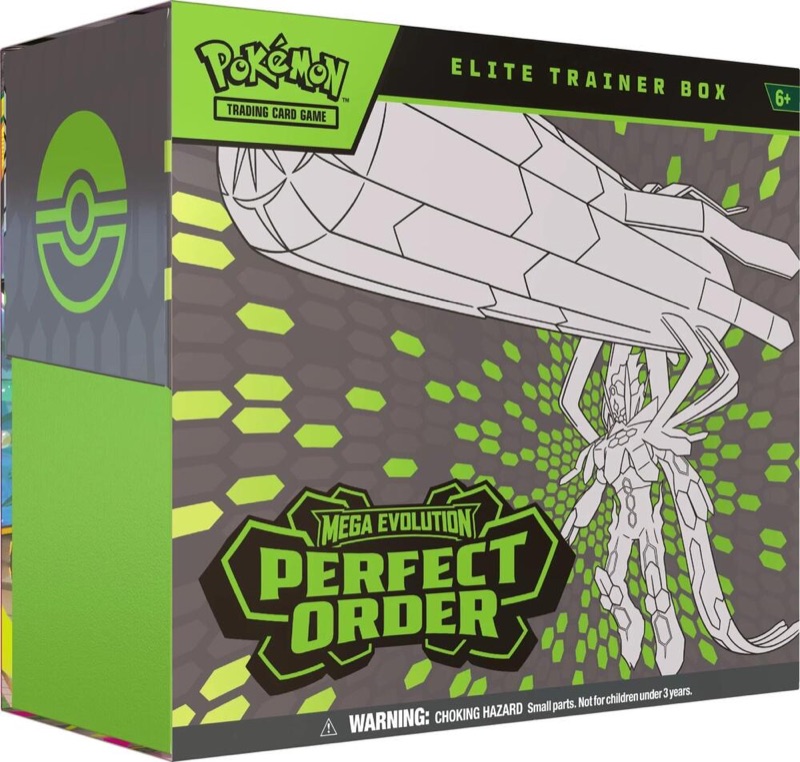
Some sellers weigh or feel packs to pick out the ones likely to hold a rare card. They keep those and sell the rest. We won't explain how it's done: it takes the good cards out of circulation and leaves everyone else with worse packs. The best defence is simple. Buy packs from a sealed display you see opened, or in sealed boxes like bundles and ETBs, from a store you trust.
Where to buy safely
Four steps, safest first. Safest: big retailers, local game stores and Pokémon Center. Usually fine: marketplaces with buyer protection. Be careful: loose packs, mystery repacks, prices far below normal. Avoid: payments with no buyer protection.
- Safest: big retailers, local game stores and Pokémon Center, at or near MSRP. Check a product's MSRP on our Products pages.
- Usually fine: marketplaces with buyer protection, from sellers with a long history of good reviews for cards.
- Be careful: loose packs, "mystery" repacks and anything far below the usual price.
- Avoid: social media DMs asking for a payment method without buyer protection, like friends-and-family transfers.
If you think you got a fake, stop and keep everything: the card, the packaging and the messages. Contact the seller, then use the platform's or your card issuer's dispute process.
Once a card checks out, protect it. Our Protect your cards guide covers sleeves and toploaders.
These checks carry over to other trading card games. Lorcana, One Piece and sports cards are faked the same way.